
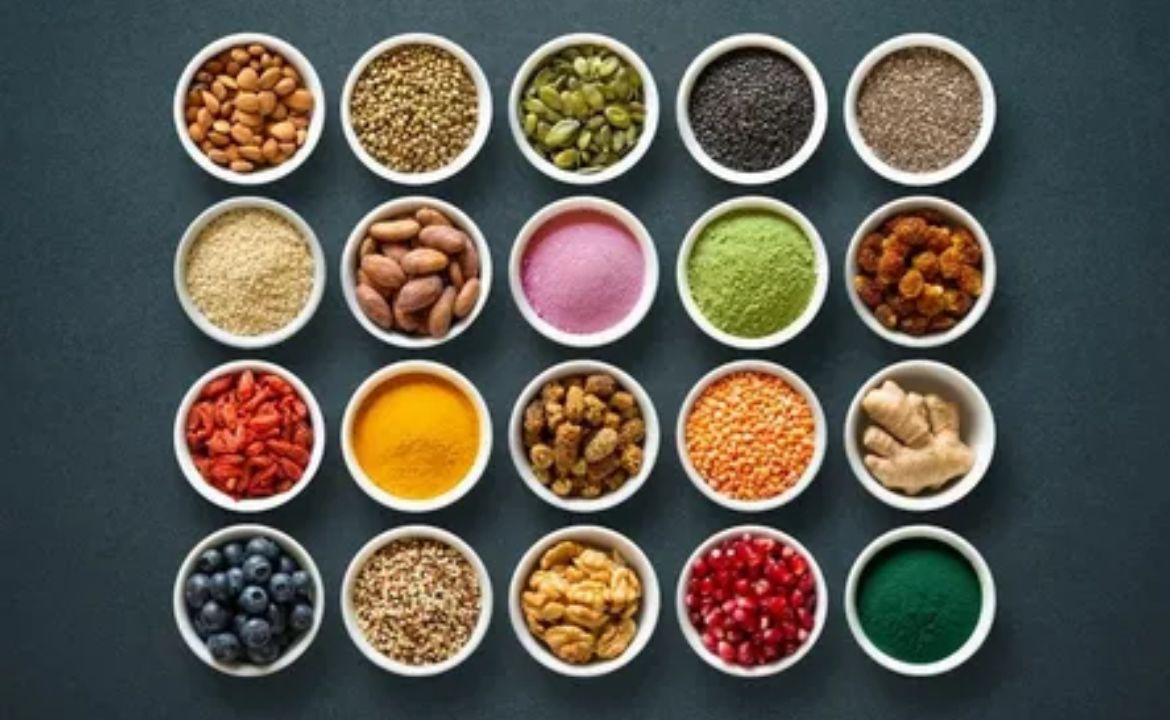
In today’s fast-paced world, maintaining optimal health through nutrition has become more crucial than ever. This comprehensive superfood guide LWSpeakCare presents evidence-based information about nutrient-dense foods that can transform your wellness journey naturally. Understanding which foods pack the most nutritional punch empowers you to make informed dietary choices that support long-term health and vitality.
What Makes a Food “Super”?
Superfoods are nutrient-rich foods considered especially beneficial for health and well-being. These foods typically contain high concentrations of vitamins, minerals, antioxidants, healthy fats, or other beneficial compounds that provide exceptional nutritional value relative to their caloric content. Unlike processed foods that offer empty calories, superfoods deliver maximum nutrition in every bite.
The term “superfood” isn’t officially regulated, but nutritionists generally agree that these foods share common characteristics: they’re minimally processed, naturally occurring, and packed with compounds that support various bodily functions. From reducing inflammation to boosting immune function, superfoods work synergistically to promote overall wellness.
Top Antioxidant-Rich Superfoods
Berries: Nature’s Antioxidant Powerhouses
Blueberries, strawberries, raspberries, and blackberries top the list of antioxidant-rich foods. These colorful fruits contain anthocyanins, compounds responsible for their vibrant hues and impressive health benefits. Research shows that regular berry consumption may improve cognitive function, reduce inflammation, and support cardiovascular health.
Goji berries deserve special mention in any superfood guide LWSpeakCare, as they contain all essential amino acids and provide substantial amounts of vitamin C, beta-carotene, and zeaxanthin. These nutrients support eye health, immune function, and may help protect against age-related decline.
Dark Leafy Greens
Spinach, kale, Swiss chard, and arugula are nutritional powerhouses that provide folate, vitamin K, iron, and numerous antioxidants. These greens support bone health, blood clotting, and cellular repair processes. Their high chlorophyll content also aids in detoxification and may have anti-inflammatory properties.
Protein-Rich Superfoods for Sustained Energy
Seeds and Nuts
Chia seeds, hemp seeds, and flaxseeds are tiny nutritional giants. Chia seeds provide complete proteins, omega-3 fatty acids, and soluble fiber that supports digestive health and help maintain stable blood sugar levels. Hemp seeds offer all essential amino acids in optimal ratios, making them excellent plant-based protein sources.
Almonds, walnuts, and Brazil nuts contribute healthy fats, protein, and various minerals. Brazil nuts are particularly rich in selenium, a trace mineral essential for thyroid function and antioxidant protection.
Quinoa: The Complete Grain
Unlike most grains, quinoa contains all nine essential amino acids, making it a complete protein source. This ancient grain also provides fiber, iron, magnesium, and phosphorus. Its versatility makes it easy to incorporate into various meals, from breakfast porridge to dinner salads.
Healthy Fat Sources for Optimal Function
Avocados
Avocados provide monounsaturated fats that support heart health and help absorb fat-soluble vitamins. They also contain fiber, potassium, and folate. The healthy fats in avocados can help reduce inflammation and support brain function.
Fatty Fish
Salmon, sardines, mackerel, and anchovies provide omega-3 fatty acids EPA and DHA, which are crucial for brain health, heart function, and reducing inflammation. These fish also offer high-quality protein and various B vitamins.
Incorporating Superfoods Into Daily Life
This superfood guide LWSpeakCare emphasizes practical implementation over perfection. Start by adding one or two superfoods to your existing meals rather than completely overhauling your diet. Blend berries into morning smoothies, sprinkle seeds on yogurt or salads, and include leafy greens in soups or sandwiches.
Preparation methods matter significantly. Raw or lightly cooked vegetables often retain more nutrients than heavily processed versions. Steaming, sautéing with minimal oil, or eating raw maximizes nutritional benefits while maintaining palatability.
Seasonal Superfood Selection
Choosing seasonal superfoods ensures peak nutritional content while supporting local agriculture. Spring offers asparagus and artichokes rich in prebiotics that support gut health. Summer brings antioxidant-rich berries and tomatoes loaded with lycopene. Fall provides pumpkins and sweet potatoes packed with beta-carotene, while winter offers citrus fruits high in vitamin C.
Budget-Friendly Superfood Strategies
Contrary to popular belief, eating superfoods doesn’t require breaking the bank. This superfood guide LWSpeakCare includes affordable options like dried beans, lentils, oats, and seasonal produce. Frozen berries and vegetables often provide similar nutritional value to fresh versions at lower costs.
Buying in bulk, choosing generic brands, and shopping at farmers’ markets can significantly reduce costs. Growing your own herbs and sprouts requires minimal investment while providing maximum freshness and nutrition.
Common Misconceptions About Superfoods
While superfoods offer impressive nutritional benefits, they’re not magic bullets for health problems. A balanced diet including various nutrient-dense foods provides better results than focusing exclusively on specific superfoods. Additionally, individual nutritional needs vary based on age, activity level, health status, and genetic factors.
Processing matters tremendously. Superfood powders and supplements may not provide the same benefits as whole food versions due to altered bioavailability and missing synergistic compounds.
Creating Sustainable Superfood Habits
Long-term success requires sustainable approaches rather than dramatic dietary overhauls. Following this superfood guide LWSpeakCare means gradually incorporating nutrient-dense foods while maintaining dietary flexibility and enjoyment. Focus on progress rather than perfection, allowing occasional indulgences while consistently choosing nutrient-rich options.
Conclusion
Embracing superfoods as part of a balanced lifestyle can significantly impact your health and well-being. This comprehensive guide provides the foundation for making informed choices about nutrient-dense foods that support optimal function naturally. Remember that consistency matters more than perfection, and small changes can yield significant results over time.



Leave a Reply